
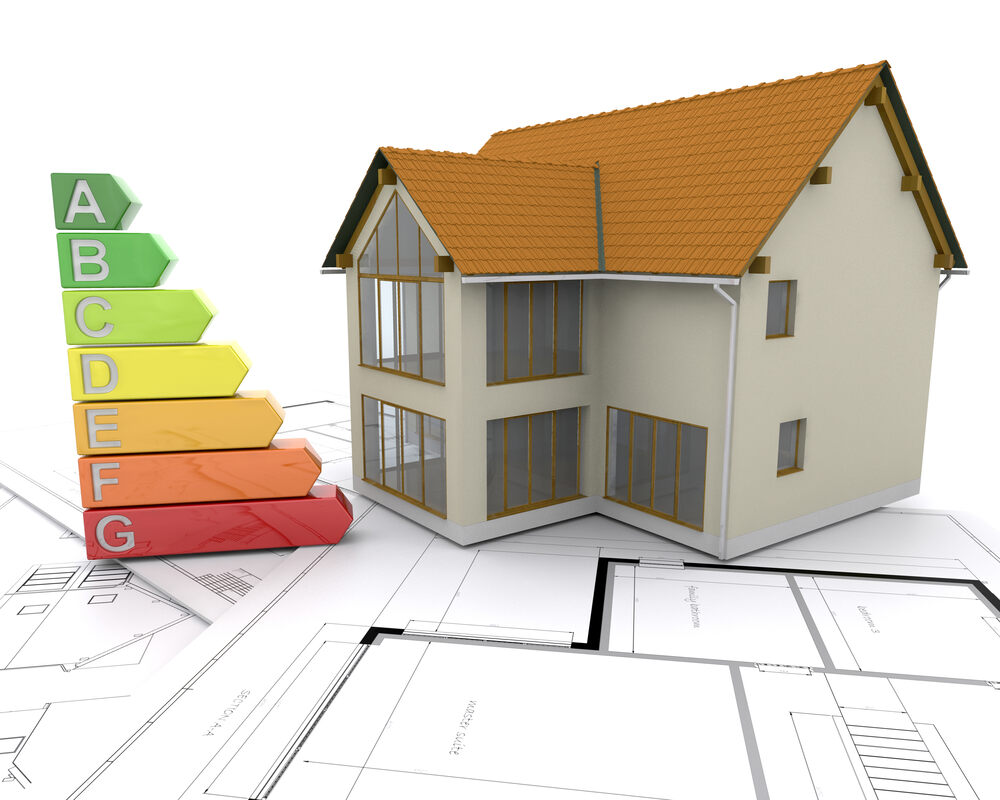
There’s a running joke in the Midwest that the weather can’t make up its mind. Sweltering in July, buried under a foot of snow in February, and somehow doing both in the same week come March. Funny enough, on a weather app. Considerably less funny when the utility bill arrives, and the number at the bottom makes you do a double-take. It’s no mystery, then, that energy efficiency consistently ranks near the top of the list when Midwest homeowners start planning renovations. The climate practically writes the to-do list for them.
But the story goes deeper than just wanting a smaller heating bill. There’s a broader and very practical logic behind why Home Improvement Indiana projects so consistently lead with energy upgrades, and understanding it explains a lot about what Midwest homeowners actually value when they put serious money into their properties.
1. The Utility Bills Make the Decision for You
Indiana and its neighbouring Midwest states rank consistently high for residential energy consumption, and the reasons aren’t hard to find. Heating loads in winter are serious business. Cooling loads through a Midwest summer aren’t far behind. A home built before modern insulation standards existed, which describes a large share of Indiana’s housing stock, is essentially running with a window cracked open twelve months a year from an energy performance standpoint.
When homeowners sit down and actually calculate what an insulation upgrade, high-efficiency HVAC system, or window replacement would save them over a ten-year horizon, the renovation frequently pays for itself on paper before the contractor even visits. That kind of calculation has a way of making the decision feel less like a luxury and more like the obvious next move.
2. Older Homes Are Charming and Chronically Inefficient
A significant portion of Indiana’s residential housing stock dates back to the mid-twentieth century or earlier. These homes were built when energy was cheap, insulation codes were loose to the point of being almost philosophical, and nobody particularly cared about air sealing as a concept. They have character. They have good bones. They also leak heat and cool air with impressive consistency.
Home improvement Indiana projects frequently begin with an energy audit for exactly this reason. What looks on the surface like a renovation to modernise a kitchen or update a bathroom often turns into an insulation, window, and air sealing project once the audit results come back and reveal where the real problems are. The cosmetic work still happens. But the performance work tends to move to the front of the queue once the numbers are visible.
3. Resale Value Has Changed the Conversation Permanently
Buyers in today’s market ask questions about energy performance that simply weren’t part of the standard checklist a decade ago. Monthly utility averages, insulation specifications, HVAC efficiency ratings, and window performance grades. These have moved from the occasional curious buyer to standard due diligence in many markets.
A home that performs well on energy tends to attract more interest and hold firmer on price than a comparable property that doesn’t. Homeowners renovating with energy efficiency in mind aren’t only cutting their own costs while they’re living there. They’re improving their competitive position for the day they decide to sell. That dual return, immediate monthly savings combined with long-term equity improvement, gives energy-focused renovation a financial case that purely cosmetic work often struggles to match.
4. The Incentive Window Is Open, and It Won’t Stay That Way Forever
Federal tax credits for energy-efficient home upgrades have expanded significantly in recent years, covering insulation, heat pumps, energy-efficient windows, and qualifying HVAC systems. Indiana utility rebate programmes sit on top of that, adding another layer of financial return to investments that were already making economic sense.
The combination of available incentives, rising energy costs, and an ageing housing stock has created conditions where delaying an energy upgrade is genuinely more expensive over time than doing the work now. Homeowners who understand that dynamic aren’t waiting around for the perfect moment. The incentives are part of the calculation, and they’re smart enough to use them while they’re there.
5. Comfort Is the Real Reason, Even When Nobody Leads With It
Utility savings and resale value are easy to justify in a spreadsheet. Comfort is harder to quantify, but it’s more important for how a home actually feels to live in day-to-day. A house that holds a consistent temperature, doesn’t have cold corners near the windows come January, and doesn’t turn the upstairs into something resembling a sauna in August is simply a better place to be.
This matters more than financial arguments in many renovation decisions, even when it’s not the first thing homeowners say aloud. Anyone who’s spent a Midwest winter in a drafty house, or a Midwest summer running the air conditioning flat out and still losing, understands this without needing a spreadsheet to explain it. The renovation is an investment, yes. But it’s also a quality-of-life decision that pays off every single morning when the temperature in the house is exactly what it should be.
The Bottom Line
Energy efficiency isn’t a trend in Midwest home improvement. It’s a direct response to real conditions: extreme seasonal temperatures, an older and often inefficient housing stock, energy costs that have only moved in one direction, and a resale market that rewards performance in ways it didn’t used to.
Home improvement Indiana projects that lead with energy efficiency tend to deliver better financial returns, more comfortable daily living, and stronger long-term property value than those that don’t. When the climate makes the argument every single month on the utility bill, the renovation decision has a habit of answering itself.